Effects of Exercise on Body Systems: Muscular, Respiratory, and Circulatory Systems
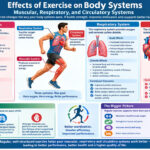
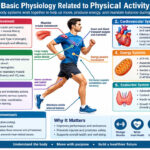
Exercise plays a vital role in maintaining physical health and improving the overall functioning of the human body. During physical activity, different body systems work together to provide energy, support movement, and maintain normal body functions. The muscular, respiratory, and circulatory systems are particularly important because they help the body perform physical activities efficiently.
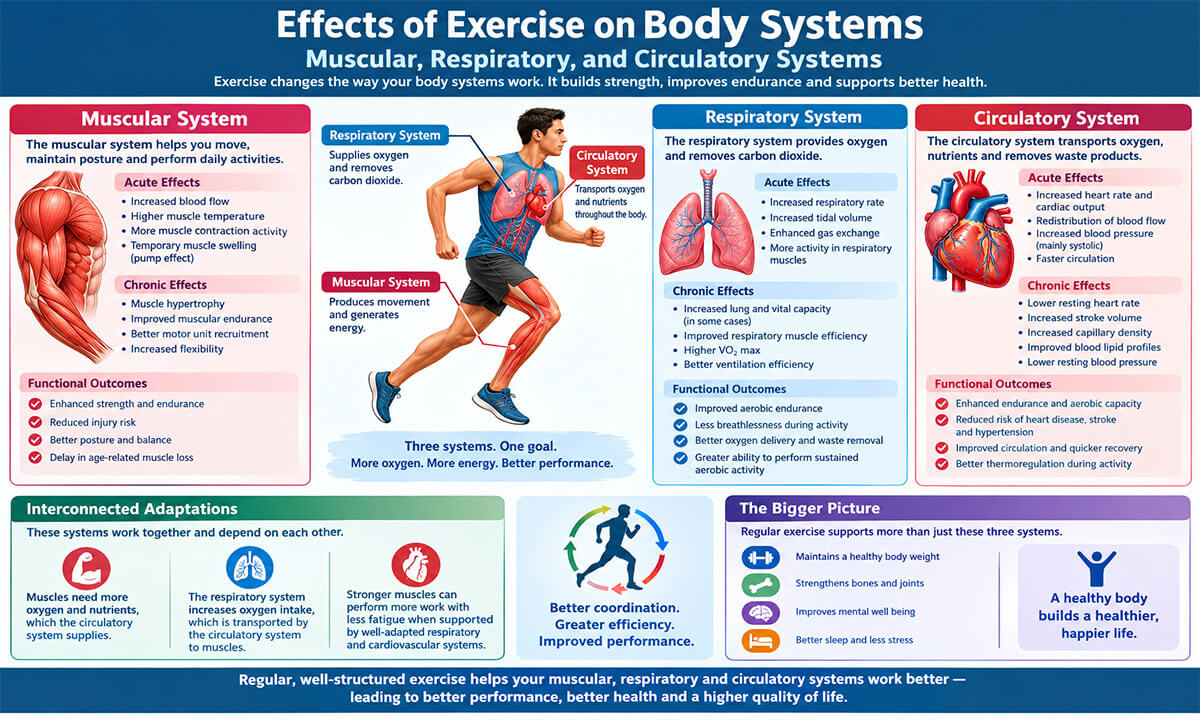
The muscular system produces movement, the respiratory system supplies oxygen and removes carbon dioxide, and the circulatory system transports oxygen and nutrients throughout the body. Exercise produces immediate changes in these systems and leads to long-term adaptations when performed regularly. Understanding these effects helps physical educators, athletes, coaches, and fitness professionals develop safe and effective exercise programs.
1. Effects of Exercise on the Muscular System:
The muscular system consists of muscles that help the body move, maintain posture, and perform daily activities. During exercise, skeletal muscles contract repeatedly to produce movement. Regular physical activity improves their strength, endurance, coordination, and overall function.
Acute Effects of Exercise on the Muscular System: Acute effects are the immediate changes that occur in the muscles during and shortly after exercise.
- Increased blood flow: During physical activity, blood flow to working muscles increases. This helps deliver more oxygen and nutrients needed for muscle contraction and energy production.
- Increased muscle temperature: Muscle temperature rises during exercise. Warmer muscles generally contract more efficiently and may allow greater flexibility during movement.
- Increased muscle contraction: Muscles contract more frequently and forcefully during physical activity. Intense exercise can lead to temporary fatigue as energy stores become depleted and metabolic byproducts accumulate.
- Temporary muscle swelling: Resistance training can cause a temporary increase in muscle size, commonly called the muscle pump. This occurs partly because of increased blood flow and fluid movement into muscle tissue.
Chronic Effects of Exercise on the Muscular System: Chronic effects are the long term changes that develop through regular exercise and training.
- Muscle hypertrophy: Resistance training can increase the size of muscle fibers, resulting in greater muscle mass and strength.
- Improved muscular endurance: Repeated exercise improves the ability of muscles to work for longer periods without becoming fatigued. Endurance training also supports greater mitochondrial activity and oxygen use within muscle cells.
- Improved motor unit recruitment: Regular training improves communication between the nervous system and muscles. This allows the body to coordinate movements more effectively and produce force efficiently.
- Improved flexibility: Stretching and appropriate mobility exercises can increase the range of motion of joints and improve the flexibility of muscles and surrounding connective tissues.
Functional Outcomes: Regular exercise provides several benefits to the muscular system:
- Increased muscle strength and endurance.
- Improved posture, balance, and movement control.
- Reduced risk of some muscle and joint injuries.
- Better performance in sports and daily activities.
- Reduced age-related muscle loss when combined with appropriate strength training and nutrition.
2. Effects of Exercise on the Respiratory System:
The respiratory system includes the lungs, airways, diaphragm, and other muscles involved in breathing. Its primary function is to supply oxygen to the body and remove carbon dioxide. During exercise, the muscles require more oxygen to produce energy, so breathing becomes faster and deeper.
Acute Effects of Exercise on the Respiratory System:
- Increased respiratory rate: The breathing rate increases during exercise to help the body take in more oxygen and remove additional carbon dioxide.
- Increased tidal volume: Tidal volume refers to the amount of air inhaled or exhaled during each normal breath. During exercise, breathing becomes deeper, allowing more air to move in and out of the lungs.
- Improved gas exchange: As ventilation and blood flow through the lungs increase, oxygen enters the bloodstream and carbon dioxide is removed more rapidly. This supports the increased metabolic demands of working muscles.
- Increased activity of respiratory muscles: The diaphragm and other muscles involved in breathing work harder during physical activity, especially during vigorous exercise.
These immediate responses help maintain oxygen supply and remove carbon dioxide as the body’s energy demands increase.
Chronic Effects of Exercise on the Respiratory System: Regular exercise, particularly aerobic training, improves the body’s ability to use oxygen during physical activity. However, it is important to understand that exercise does not necessarily produce a large increase in lung size or basic lung capacity in healthy adults.
- Improved respiratory muscle efficiency: The muscles involved in breathing can become more efficient, helping the body manage ventilation during exercise.
- Improved oxygen utilization: Regular aerobic training improves the body’s ability to deliver and use oxygen in working muscles.
- Increased VO₂ max: VO₂ max is the maximum rate at which the body can take in, transport, and use oxygen during intense exercise. It can improve with regular aerobic training and is an important measure of aerobic fitness.
- Improved ventilation efficiency: Training helps the body meet exercise demands with more efficient breathing at a given workload. As fitness improves, a person may experience less breathlessness during familiar activities.
Functional Outcomes: The main benefits of exercise for the respiratory system include:
- Improved aerobic endurance.
- Better tolerance for sustained physical activity.
- More efficient breathing during familiar exercise.
- Improved ability to support the body’s oxygen requirements.
- Reduced breathlessness during activities that previously felt difficult, as fitness improves.
3. Effects of Exercise on the Circulatory System:
The circulatory system, also known as the cardiovascular system, consists of the heart, blood, and blood vessels. It transports oxygen, nutrients, hormones, and other substances throughout the body. It also helps remove waste products and regulate body temperature.
During exercise, the circulatory system works harder to supply active muscles with the resources they need.
Acute Effects of Exercise on the Circulatory System:
- Increased heart rate: The heart beats faster during exercise to deliver more blood to the working muscles.
- Increased cardiac output: Cardiac output is the amount of blood pumped by the heart per minute. It increases during exercise because heart rate and, in most circumstances, stroke volume rise.
- Redistribution of blood flow: More blood is directed toward active muscles and the skin when necessary for temperature regulation. Blood flow to some less immediately active organs, including parts of the digestive system, may decrease temporarily.
- Increased systolic blood pressure: During dynamic exercise, such as running or cycling, systolic blood pressure generally rises as the heart pumps more blood. Diastolic pressure usually changes relatively little in healthy individuals during this type of activity. Responses vary with exercise intensity and type.
- Increased circulation: Blood moves more rapidly through the body, helping deliver oxygen and nutrients while carrying carbon dioxide and other metabolic waste products away from active tissues.
Chronic Effects of Exercise on the Circulatory System: Regular physical activity produces necessary adaptations that improve cardiovascular health.
- Lower resting heart rate: Aerobic training can reduce resting heart rate because the heart becomes more efficient at supplying the body’s needs at rest.
- Increased stroke volume: Stroke volume is the amount of blood pumped by the heart with each beat. Regular endurance training can increase stroke volume, allowing the heart to deliver more blood per beat.
- Improved capillary density: Endurance training can increase the number of small blood vessels surrounding muscle fibers. This supports oxygen delivery and the exchange of nutrients and waste products.
- Improved blood lipid profile: Regular physical activity can improve cholesterol and triglyceride levels, although the degree of change depends on the individual, exercise program, diet, and other factors.
- Lower resting blood pressure: Consistent aerobic exercise can help lower resting blood pressure, particularly in people with elevated blood pressure.
Functional Outcomes: Regular exercise benefits the circulatory system in several ways:
- Improved cardiovascular endurance.
- Reduced risk of cardiovascular disease.
- Better blood circulation and oxygen delivery.
- Improved recovery after physical exertion.
- Better regulation of body temperature during activity.
- Improved blood pressure control and overall heart health.
Interrelationship Between the Muscular, Respiratory, and Circulatory Systems:
The muscular, respiratory, and circulatory systems do not work independently. They cooperate to maintain physical performance and meet the body’s changing energy demands.
The muscular system produces movement and requires energy to sustain contractions. The respiratory system supplies oxygen and removes carbon dioxide. The circulatory system transports oxygen from the lungs to the muscles and carries carbon dioxide back to the lungs for removal.
For example, during running, the leg muscles require more oxygen and energy. Breathing becomes faster and deeper to increase oxygen intake. At the same time, the heart beats faster and pumps more blood to the working muscles. The muscles use the delivered oxygen to support energy production, while the circulatory and respiratory systems help remove the resulting carbon dioxide.
Regular training improves coordination among these systems. Muscles become better at using oxygen, the heart becomes more efficient, and breathing responds more effectively to exercise demands. Together, these adaptations help a person exercise longer, recover more effectively, and perform physical activities with less effort at a given workload.
Importance of Regular Exercise for Overall Health:
The benefits of exercise extend beyond individual body systems. Regular physical activity supports physical fitness, mental well-being, and long-term health.
It helps maintain a healthy body weight, strengthens muscles, improves endurance, and supports healthy bones and joints. It can also improve sleep, reduce stress, and lower the risk of several chronic diseases.
For these benefits, exercise should be appropriate to a person’s age, health status, fitness level, and personal goals. A balanced program can include aerobic activities, strength training, flexibility exercises, and balance training. Gradually increasing exercise intensity and allowing enough time for recovery can help reduce the risk of injury.
People who are new to exercise or have existing health concerns should choose suitable activities and seek professional guidance when necessary.
In conclusion, exercise produces significant changes in the muscular, respiratory, and circulatory systems. The immediate responses help the body meet the demands of physical activity, while the long-term adaptations improve strength, endurance, oxygen utilization, and cardiovascular efficiency.
The muscular system becomes stronger and more resistant to fatigue. The respiratory system supports greater oxygen demand through changes in breathing and improved oxygen utilization. The circulatory system becomes more efficient at delivering oxygen and nutrients throughout the body.
These systems work together to support movement, improve physical performance, and maintain health. Therefore, regular and appropriately planned exercise should be an essential part of a healthy lifestyle. It benefits people of different ages and fitness levels and contributes to better physical function, improved well-being, and a higher quality of life.

is an experienced educator and academic currently serving as a Lecturer at Nurul Amin Degree College. With a career dedicated to student development and institutional excellence, he brings a wealth of classroom expertise and pedagogical knowledge to his current role. Before joining the faculty, he served as an Assistant Teacher at Zinzira PM Pilot School and College.