Basic Physiology Related to Physical Activity:
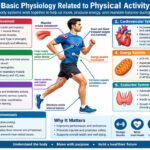
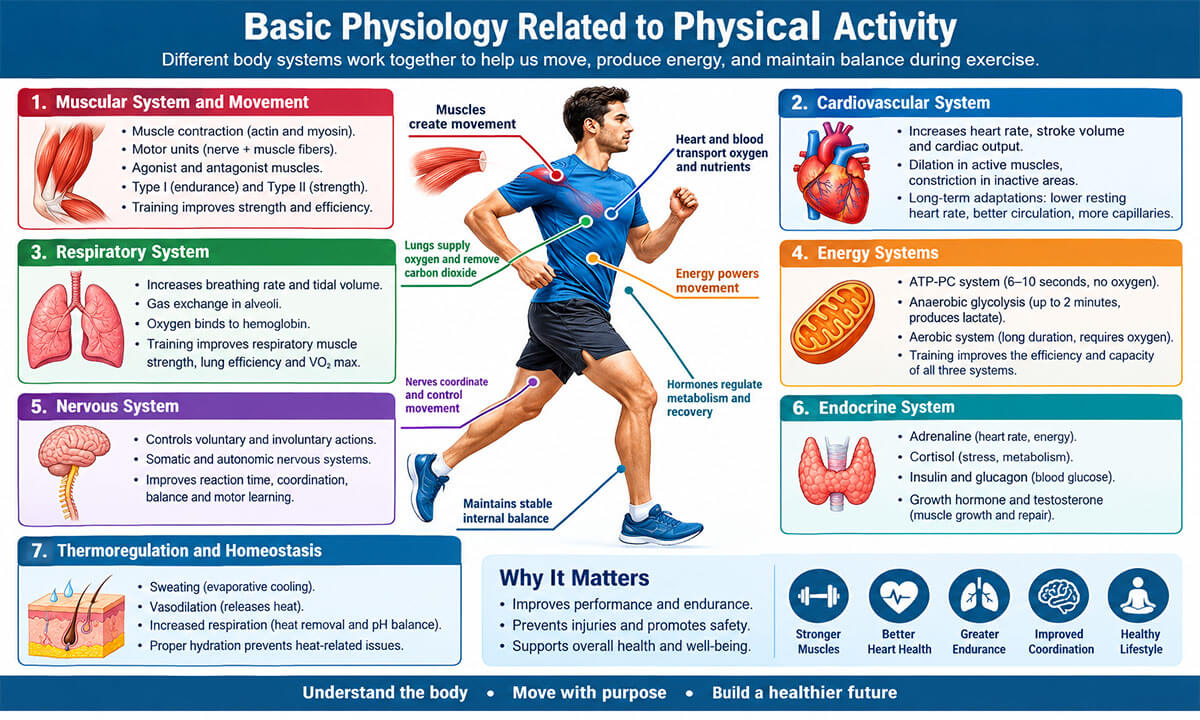
Physiology is the scientific study of how the human body works. It explains how different organs, tissues, and body systems perform their functions and work together to maintain life. In physical education, basic physiology helps us understand how the body responds to exercise, produces energy, performs movements, and recovers after physical activity.
During exercise, a number of body systems work together to meet the increased demands of the body. The muscular system produces movement, the cardiovascular system transports oxygen and nutrients, and the respiratory system supplies oxygen and removes carbon dioxide. The nervous and endocrine systems coordinate movement and regulate important bodily functions. At the same time, the body maintains its internal balance through processes such as temperature regulation and fluid control.
Understanding basic physiology is important for physical education teachers, athletes, coaches, fitness trainers, and health professionals. It helps them plan suitable exercise programs, improve physical performance, prevent injuries, and promote overall health.
1. The Muscular System and Movement:
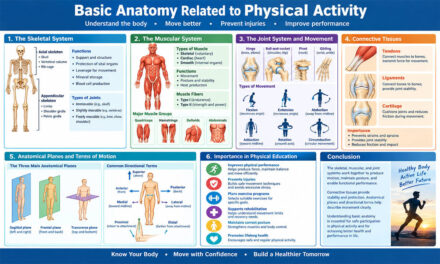
The muscular system plays a central role in physical activity because muscles produce movement through contraction and relaxation. When the nervous system sends signals to skeletal muscles, the muscle fibers generate force. This force pulls on bones through tendons and produces movement at the joints.
Important physiological concepts:
- Muscle contraction: Muscle contraction occurs through a process explained by the sliding filament theory. Two proteins, actin and myosin, interact and slide past each other, causing the muscle fibers to generate force and sometimes shorten.
- Motor units: A motor unit consists of a motor neuron and the muscle fibers it controls. The nervous system can activate more motor units to produce greater force when needed.
- Agonist and antagonist muscles: Muscles often work in opposing pairs to control movement. For example, the biceps contracts to bend the elbow, while the triceps helps straighten it. These muscles coordinate their actions to produce controlled movement.
Types of muscle fibers: Muscle fibers are commonly classified into two broad categories:
- Type I fibers (slow twitch): These fibers resist fatigue and are suitable for endurance activities such as long-distance running, swimming, and cycling.
- Type II fibers (fast twitch): These fibers can produce force quickly and are important for sprinting, jumping, weightlifting, and other powerful movements.
Regular exercise improves muscular strength, endurance, and efficiency. Resistance training can increase muscle strength and size, while endurance training improves the ability of muscles to perform activities for longer periods.
2. The Cardiovascular System:
The cardiovascular system consists of the heart, blood, and blood vessels. Its main function is to transport oxygen, nutrients, hormones, and other substances throughout the body. It also helps remove waste products and regulate body temperature.
During physical activity, working muscles need more oxygen and energy. The cardiovascular system responds by increasing blood flow to meet these demands.
Cardiovascular responses to exercise:
- Increased heart rate: The heart beats faster to supply more blood to active muscles.
- Increased stroke volume: Stroke volume is the amount of blood pumped by the heart with each beat. It generally increases during exercise, particularly as exercise intensity rises.
- Increased cardiac output: Cardiac output is the amount of blood the heart pumps per minute. It is calculated by multiplying heart rate by stroke volume.
- Redistribution of blood flow: Blood vessels in active muscles widen, allowing more blood to reach them. Blood flow to some less active organs may decrease temporarily during demanding exercise.
Long-term adaptations: Regular physical activity can produce numerous beneficial cardiovascular changes, including:
- A lower resting heart rate in many individuals.
- Increased stroke volume.
- Improved blood circulation.
- Better delivery of oxygen to working muscles.
- Improved cardiovascular endurance.
These adaptations help the body perform physical activities more efficiently and reduce the effort required for many everyday tasks.
3. The Respiratory System:
The respiratory system includes the nose, mouth, trachea, bronchi, lungs, and respiratory muscles, including the diaphragm. Its primary function is to supply oxygen to the body and remove carbon dioxide.
Oxygen is necessary for aerobic energy production. During exercise, the muscles use more oxygen and produce more carbon dioxide. As a result, the respiratory system increases its activity to meet the body’s needs.
Respiratory responses to exercise:
- Increased breathing rate: The number of breaths taken per minute increases as exercise intensity rises.
- Increased tidal volume: Tidal volume refers to the amount of air inhaled or exhaled during a normal breath. During exercise, each breath generally becomes deeper.
- Gas exchange: In the alveoli, which are tiny air sacs in the lungs, oxygen passes into the blood while carbon dioxide moves from the blood into the lungs for exhalation.
- Oxygen transport: Hemoglobin in red blood cells carries most of the oxygen from the lungs to body tissues, including the working muscles.
Effects of regular exercise: Exercise training can improve the strength and endurance of respiratory muscles and make breathing more efficient during physical activity. It can also improve the body’s ability to use oxygen. In particular, aerobic training can increase maximal oxygen uptake, known as VO₂ max, which is an important indicator of aerobic fitness.
However, regular exercise does not necessarily produce a large increase in lung size or basic lung capacity in healthy adults. Many improvements result from better cardiovascular function and more efficient oxygen use.
4. The Energy Systems:
The human body requires energy for all physical activities, from walking and standing to sprinting and lifting weights. This energy is supplied through a molecule called adenosine triphosphate (ATP).
Muscles use ATP to contract. However, the body stores only a limited amount of ATP, so it must continually produce more during physical activity.
The body has three major energy systems. They work together, but their relative contributions depend on the intensity and duration of the activity.
4.1 ATP PC System: The ATP PC system, also known as the phosphagen system, provides energy rapidly for short, powerful movements. It uses stored ATP and phosphocreatine in the muscles to produce energy quickly without directly requiring oxygen.
Examples include sprint starts, jumping, throwing, and heavy weightlifting.
This system is especially important during the first few seconds of intense activity. Its contribution decreases as phosphocreatine stores are used, although recovery periods allow these stores to be replenished.
4.2 Anaerobic Glycolysis: Anaerobic glycolysis breaks down glucose or glycogen to produce ATP without directly requiring oxygen. It provides energy relatively quickly and becomes important during intense activities lasting longer than a few seconds.
Examples include a fast 400 metre run, repeated high-intensity efforts, and demanding team sports.
This process produces lactate and hydrogen ions. Lactate can be reused as a fuel by muscles and other tissues. The increase in acidity associated with intense exercise can contribute to fatigue, so it is not accurate to say that lactic acid alone causes muscle fatigue.
4.3 Aerobic System: The aerobic system produces ATP through processes that require oxygen. It uses carbohydrates and fats as major fuel sources and can support physical activity for extended periods.
Examples include jogging, walking, cycling, swimming, and long-distance running.
The aerobic system produces energy more slowly than the phosphagen system but is highly effective for sustained activity. It also supports recovery between intense efforts.
Importance of energy systems in training: Different activities place different demands on the energy systems. Sprint training develops the ability to perform short, powerful efforts, while endurance training improves the ability to sustain activity for longer periods. Interval training can challenge both aerobic and anaerobic energy production.
A balanced training program should match the energy demands of the sport or activity being performed.
5. The Nervous System:
The nervous system controls and coordinates body movements. It consists of the central nervous system, which includes the brain and spinal cord, and the peripheral nervous system, which connects the central nervous system to the rest of the body.
The nervous system receives information from the environment, processes it, and sends signals to muscles and organs. These processes allow people to move, maintain balance, respond to changes, and control their physical actions.
The role of the nervous system in exercise:
- Voluntary movement: The somatic nervous system controls skeletal muscles and enables activities such as running, jumping, throwing, and lifting.
- Regulation of body functions: The autonomic nervous system helps regulate heart rate, blood pressure, digestion, and other involuntary processes.
- Coordination and balance: The brain and nervous system coordinate muscle activity to maintain posture and control movement.
- Reaction time: The nervous system processes sensory information and produces a response. Regular practice can improve performance in tasks that require quick and accurate reactions.
- Motor learning: Repeated practice helps the nervous system develop more efficient movement patterns. This is important for learning sports skills, improving technique, and reducing unnecessary movements.
Neuromuscular training, which combines movement practice, balance exercises, strength training, and coordination activities, can improve movement control and help reduce the risk of certain injuries.
6. The Endocrine System:
The endocrine system consists of glands that release hormones into the bloodstream. Hormones act as chemical messengers that regulate metabolism, growth, energy availability, stress responses, and recovery.
During physical activity, hormonal changes help the body respond to increased energy demands and maintain normal physiological functions.
Important hormones related to exercise:
- Adrenaline: Adrenaline increases heart rate and helps make stored energy available during exercise. It also prepares the body for demanding physical activity.
- Cortisol: Cortisol helps regulate metabolism and the body’s response to physical stress. Its levels may increase during prolonged or intense exercise.
- Insulin and glucagon: These hormones help regulate blood glucose. Insulin supports glucose uptake and storage, while glucagon helps maintain blood glucose levels by stimulating the release of stored energy, particularly from the liver.
- Growth hormone: Growth hormone supports tissue growth, metabolism, and various repair processes.
- Testosterone: Testosterone contributes to muscle development, tissue maintenance, and the regulation of several bodily functions. Its effects vary according to individual characteristics and other physiological factors.
Exercise influences hormone release in different ways depending on its intensity, duration, the individual’s fitness level, nutrition, and recovery.
Adequate sleep, balanced nutrition, and suitable rest periods are important for supporting hormonal regulation and recovery from exercise.
7. Thermoregulation and Homeostasis:
Homeostasis is the process through which the body maintains a relatively stable internal environment despite changes inside or outside the body. It involves the regulation of body temperature, fluid balance, blood glucose, and other important conditions.
During physical activity, muscles produce heat as they use energy. If the body cannot remove enough heat, its temperature may rise to dangerous levels.
How the body regulates temperature:
- Sweating: Sweat is released onto the skin. When it evaporates, it removes heat from the body.
- Vasodilation: Blood vessels near the skin widen, allowing more heat to move from the body’s interior toward the skin.
- Changes in breathing: Breathing can contribute to heat loss, although sweating and changes in skin blood flow are usually more important during exercise in warm conditions.
- Fluid regulation: The body regulates water and electrolytes to support circulation, muscle function, and temperature control.
Importance of hydration and safety: During exercise, especially in hot and humid weather, the body loses water and electrolytes through sweat. Replacing fluids helps maintain normal body functions and reduces the risk of dehydration.
Physical activity should be adjusted according to the weather, exercise intensity, and individual fitness level. Wearing suitable clothing, taking breaks, and exercising in cooler conditions can also help.
Dizziness, unusual weakness, nausea, confusion, and collapse may indicate a heat-related illness. Confusion or collapse in a hot environment can be a sign of heatstroke, which requires immediate emergency medical assistance.
Maintaining homeostasis allows the body to continue functioning effectively during exercise and supports safe recovery afterward.
In conclusion, basic physiology related to physical activity explains how the human body produces movement, supplies energy, transports oxygen, and responds to the demands of exercise. The muscular system creates movement, the cardiovascular and respiratory systems deliver oxygen, and the energy systems provide ATP for muscle contraction. The nervous system coordinates movement, while the endocrine system regulates metabolism and other essential functions. Thermoregulation and homeostasis help maintain a stable internal environment during physical exertion.
Regular physical activity produces many beneficial adaptations, including improved muscular strength, greater endurance, more efficient cardiovascular function, and better movement coordination. However, the benefits depend on suitable exercise intensity, proper technique, adequate nutrition, hydration, and recovery.
Therefore, knowledge of basic physiology is essential for physical education and sports training. It helps teachers, coaches, and fitness professionals understand the body’s responses to exercise and develop safe, effective programs. By applying physiological principles, individuals can improve their physical performance, protect their health, and maintain an active lifestyle.

is an experienced educator and academic currently serving as a Lecturer at Nurul Amin Degree College. With a career dedicated to student development and institutional excellence, he brings a wealth of classroom expertise and pedagogical knowledge to his current role. Before joining the faculty, he served as an Assistant Teacher at Zinzira PM Pilot School and College.